
-30%
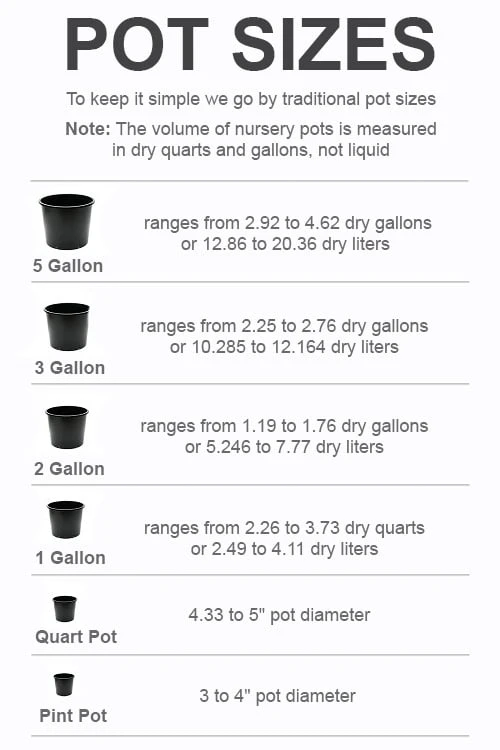

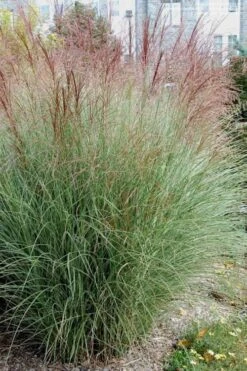
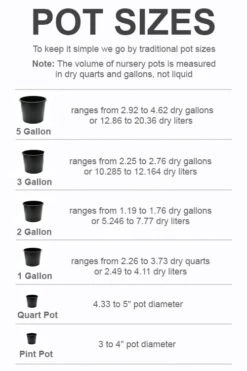
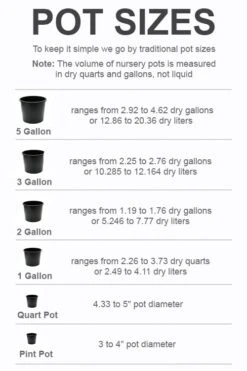
Morning Light Maiden Grass – Miscanthus Sinensis – 3 Gallon Pot
Original price was: $65.85.$46.10Current price is: $46.10.
- Multiple payment methods, safe and reliable
- Excellent customer service online in a timely manner
- No Compromise on Quality
- Quality Meets Affordability

Morning Light Maiden Grass
Miscanthus sinensis ‘Morning Light’
Plant Details
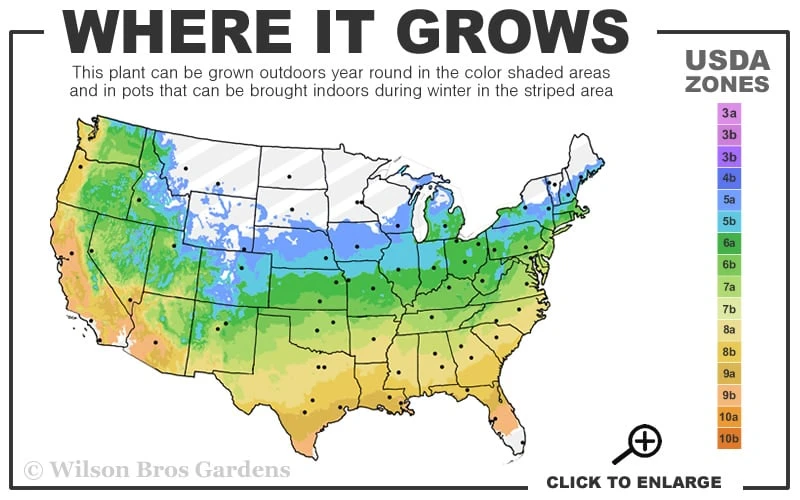
USDA Plant Hardiness Zones: 5a-9b Find Your Zone
Plant Type: Ornamental Grass
Height at Maturity: 5-6′
Width at Maturity: 3-4′
Spacing: 3′ apart for hedges or 8’+ apart for space between
Spacing: 3′ apart for hedges or 8’+ apart for space between
Growth Habit / Form: Arching, Clumping, Dense, Upright, Vase/Fountain Shape
Growth Rate: Moderate to Fast
Flower Color: Crimson-Red to Silvery-White
Flower Size: Large curled plumes
Flower Type: Plumes
Flowering Period: Late Summer, Early Fall, Mid-Fall, Late Fall, Early Winter, Mid-Winter
Foliage Color: Green, with Ivory-White vertical stripe
Fragrant Foliage: No
Sun Needs: Full Sun or Mostly Sun
Water Needs: Average, very low when established
Soil Type: Clay, Loam, Sand, Silt
Soil Drainage: Well Drained
Soil pH: 5.5 – 7.5
Maintenance / Care: Very Low
Attracts: Visual Attention, Birds
Resistances: Deer, Disease, Drought, Dry Soil, Heat, Humidity, Insect
Description
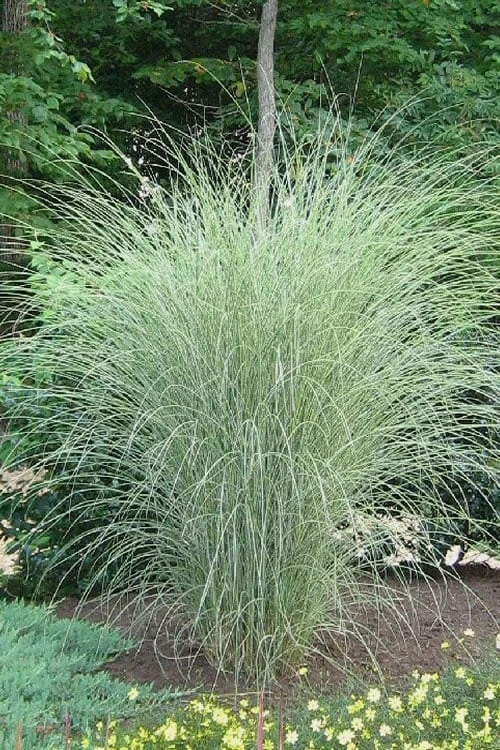
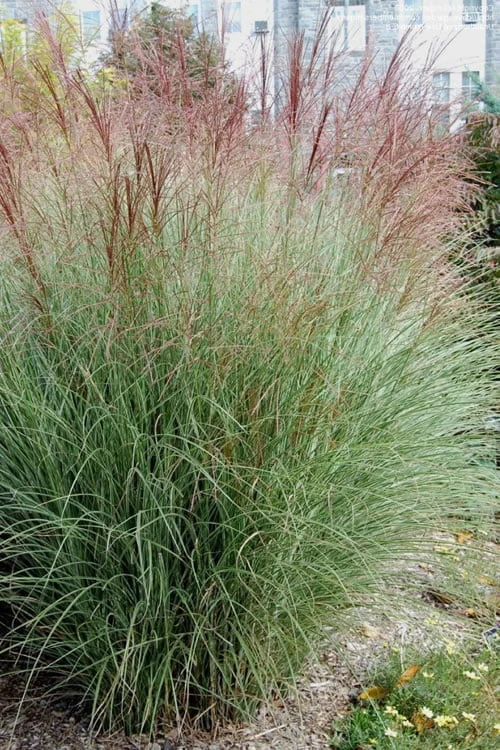
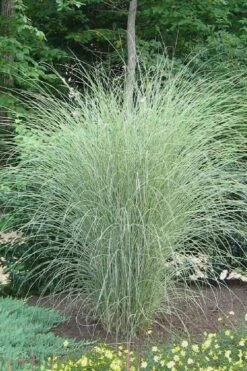
Miscanthus sinensis ‘Morning Light’, what we call Maiden Grass and others might call Eulalia Grass, is a gracefully arching, fine-textured ornamental grass that will form majestic, finely textured, fountain-shaped, vertical accents in your landscape. The slender green blades of Morning Light are vertically striped with ivory-white variegation creating a wonderful silver look from a distance. The foliage is flexible and blows easily in the wind, turning a rich gold in the fall and persisting through winter. In mid to late summer, pinkish-red seed “wands” rise above the 5-6 foot tall clumps on thin but sturdy stems. In early fall these open to fluffy, curled silvery-white flowers that persist through winter. The plumes are great for cutting and use in dried flower arrangements.
Landscape & Garden Uses
Growing 5-6 feet tall and 3-4 feet wide, Morning Light Maiden Grass forms a neat, upright, gracefully arching clump that provides outstanding texture in the landscape. It can be useful as a specimen, in small to large groupings, or as a grassy hedge anywhere in the sunny landscape. This is one grass that we use quite often as an accent in home foundation plantings. It can also be grown as a stand alone or mixed with other plants in large containers and pots.
Spacing: 3′ apart for hedges or 7-8’+ apart for space between
How To Measure Total Square Feet Of A Planting Area
How Many Plants Needed To Cover A Planting Area?
Note: For our customers who live and garden north of USDA Plant Hardiness Zone 5a, where this Miscanthus grass variety is not reliably winter hardy, you’ll be happy to know it can be grown in containers that can be brought indoors during winter and placed back outside when temperatures warm up in spring.
Growing Preferences
Miscanthus grasses are easy to grow in a wide range of soils, from sandy to well-drained clay and full to mostly sun (6 hours or more direct sunlight per day). They prefer a moist but well-drained soil of average fertility while establishing themselves, however will tolerate periods of dry soil when established. Constantly soggy or wet soils can be problematic, so make sure the planting site is a well-drained one. Maintenance is minimal requiring only an annual pruning before new growth begins to emerge in late winter or very early spring. At this time simply cut plants back to just above the ground.
Helpful Articles
Click on a link below to find helpful advice from our experts on how to plant and care for Miscanthus grasses.
How To Plant Miscanthus Grasses
How To Fertilize & Water Miscanthus Grasses
How To Prune Ornamental Grasses
Plant Long & Prosper!
Meet The Wilson Brothers & Staff
Questions? Contact Us!
Quite happy with grasses I received. In the ground 1 week and thriving.——————————–We are so glad you are pleased and we hope you enjoy them for years to come! Thanks for the great review! 🙂 Beth Steele | WBG
Be the first to review “Morning Light Maiden Grass – Miscanthus Sinensis – 3 Gallon Pot”
Related products
-30%
Original price was: $56.85.$39.80Current price is: $39.80.
-30%
Original price was: $69.97.$48.98Current price is: $48.98.
-30%
Original price was: $46.51.$32.56Current price is: $32.56.
-30%

Original price was: $68.85.$48.20Current price is: $48.20.
-30%
Original price was: $59.97.$41.98Current price is: $41.98.
-30%
Original price was: $61.85.$43.30Current price is: $43.30.
-30%
Original price was: $79.97.$55.98Current price is: $55.98.
-51%
Original price was: $199.97.$97.99Current price is: $97.99.
Reviews
There are no reviews yet.