
-30%
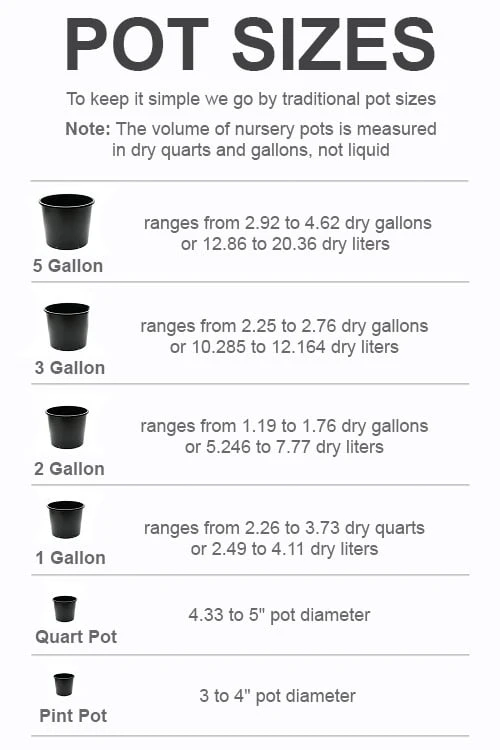
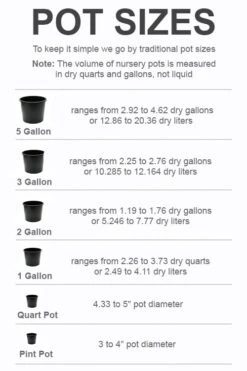
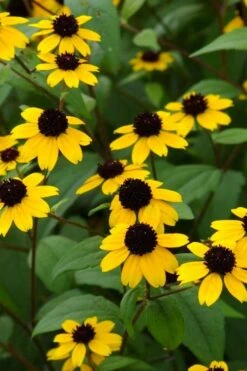
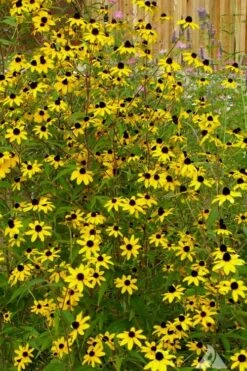
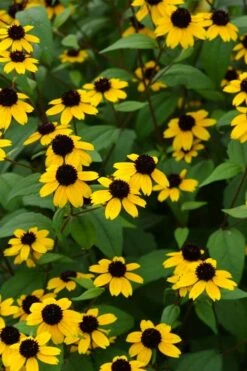
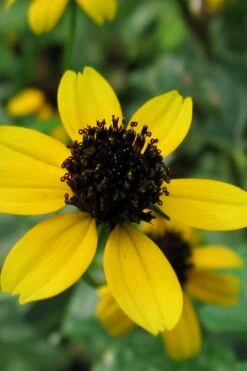
Brown Eyed Susan Daisy (Rudbeckia Triloba) – 1 Gallon Pot
Original price was: $28.71.$20.10Current price is: $20.10.
- Multiple payment methods, safe and reliable
- Excellent customer service online in a timely manner
- No Compromise on Quality
- Quality Meets Affordability

Brown Eyed Susan Daisy
Rudbeckia triloba
Plant Details
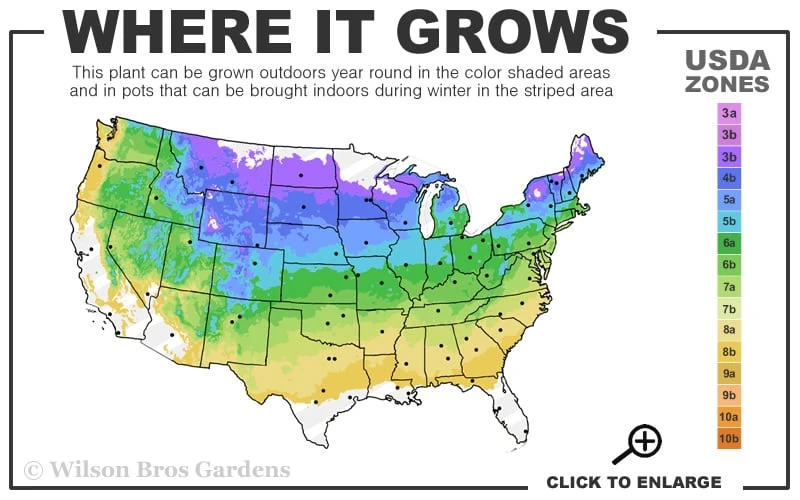
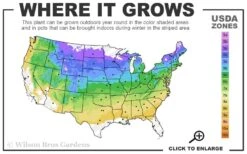
USDA Plant Hardiness Zones: 4a-8b Find Your Zone
Plant Type: Herbaceous Perennial
Height at Maturity: 2-3′
Width at Maturity: 18-24″
Spacing: 18″ for mass plantings
Spacing: 18″ for mass plantings
Growth Habit / Form: Upright
Growth Rate: Fast
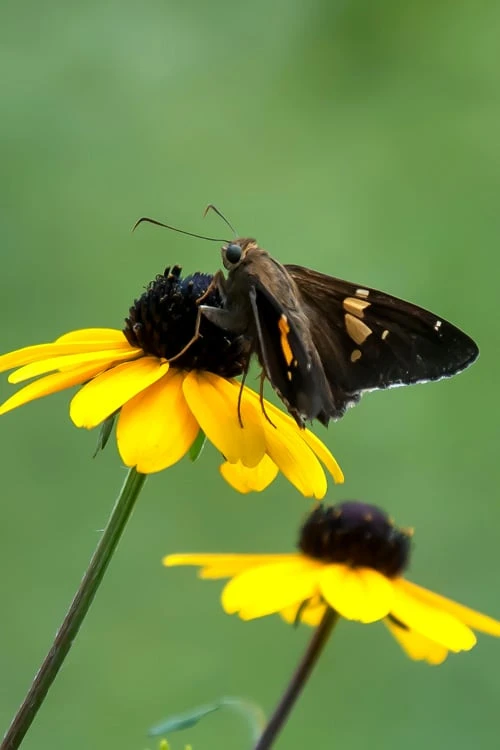
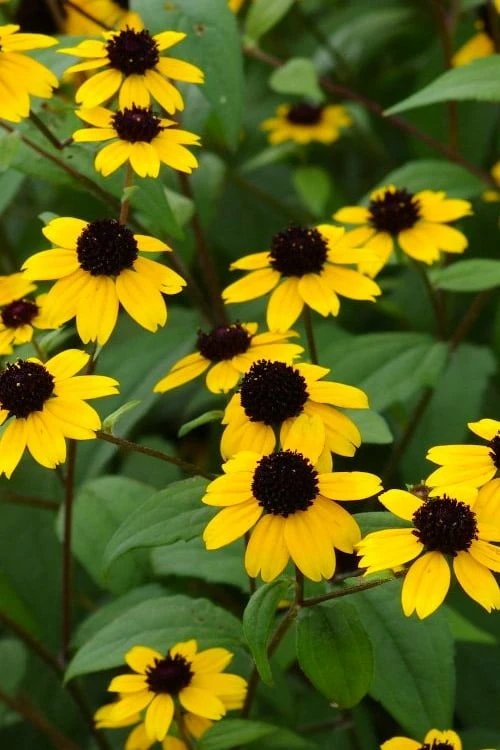
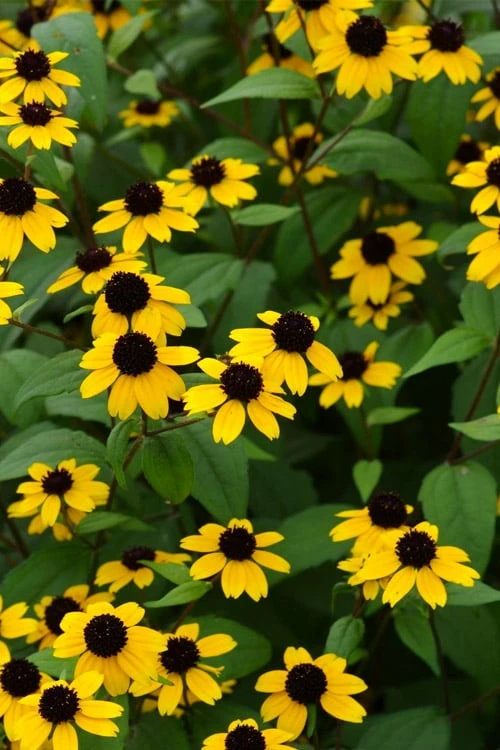
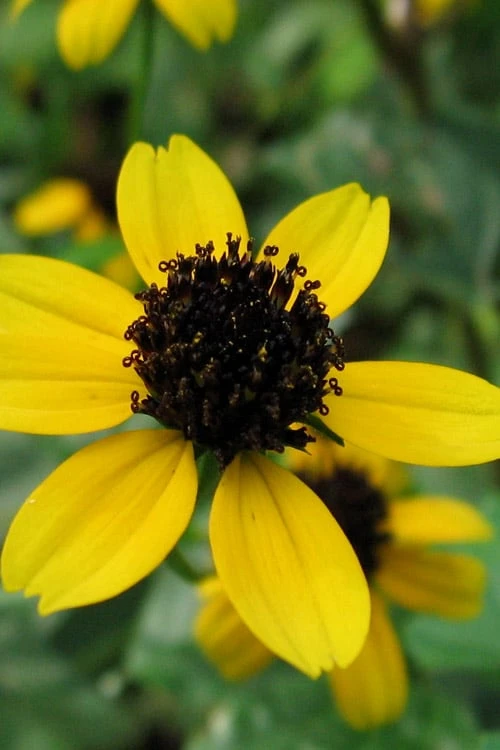
Flower Color: Yellow rays with Purple-Brown center cones
Flower Size: 1.5″
Flowering Period: Early to Mid Summer through Mid Fall
Flower Type: Daisy
Fragrant Flowers: No
Foliage Color: Dark Green
Fragrant Foliage: No
Berries: No
Berry Color: No
Sun Needs: Full to Mostly Sun; at least 6 hours of direct sunlight per day
Water Needs: Average
Soil Type: Clay (amended), Loam, Sand (amended), Silt (Best in moist, organically rich soils)
Soil Moisture / Drainage: Moist But Well Drained
Soil pH: 5.5 – 6.5 (Acid to Slightly Alkaline)
Maintenance / Care: Low
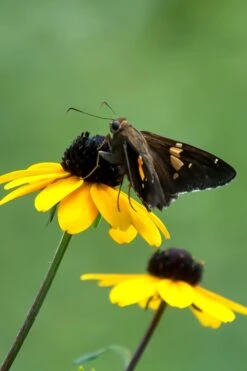
Attracts: Butterflies, Visual Attention
Resistances: Deer, Disease, Heat, Humidity, Insect, Rabbit
Description
If you’re in to the natural flower garden look and like plants with a long bloom period, Rudbeckia triloba, commonly known as the Brown Eyed Susan, is a must-have North American native biennial plant that will freely naturalize along sunny woodland borders or in meadow or wildflower gardens. From early to mid summer well into fall this native flowering factory produces LOADS of cute coneflowers with bright yellow rays surrounding a purplish brown center cone. The leaves of this species are thinner than other Rudeckia some being 3-lobed, hence the species name.
Landscape & Garden Uses
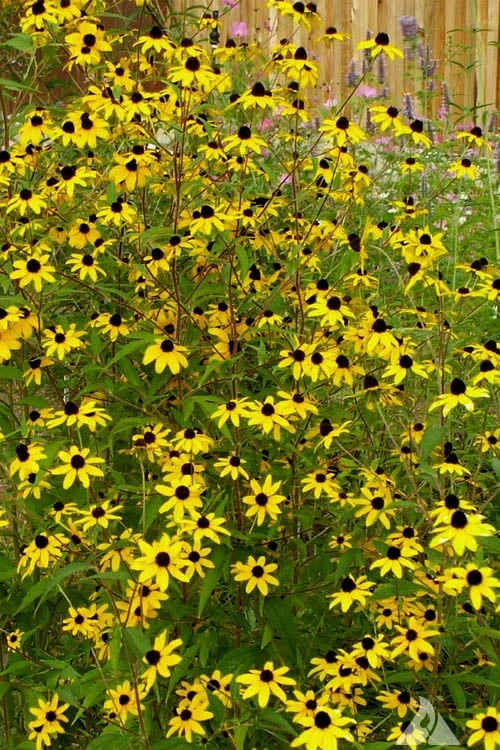
Growing 24 to 36 inches tall and 24 inches wide, the Brown Eyed Susan Daisy is a native wildflower ideal for growing in naturalized areas, wildflower meadows, prairies, cottage gardens, native plant gardens and borders.
Suggested Spacing: 24 inches apart for mass plantings
How To Measure Total Square Feet Of A Planting Area
How Many Plants Needed To Cover A Planting Area?
Growing Preferences
The Brown Eyed Susan Daisy is very easy to grow in most any moist but well-drained soil of average fertility and in full sun to mostly sun. We suggest at least 6 hours of direct sun per day for best flowering and overall performance. Deadhead spent flowers to encourage additional bloom and/or to prevent any unwanted self-seeding. This biennial will freely self-seed if spent flowers are not removed. But reseeding is a desirable thing when growing it in meadow and wildflower gardens.
Plant Long & Prosper!
Meet The Wilson Brothers & Staff
Questions? Contact Us!
Be the first to review “Brown Eyed Susan Daisy (Rudbeckia Triloba) – 1 Gallon Pot”
Related products
-30%
Original price was: $46.51.$32.56Current price is: $32.56.
-30%
Original price was: $30.97.$21.68Current price is: $21.68.
-30%
Original price was: $69.97.$48.98Current price is: $48.98.
-30%
Original price was: $59.97.$41.98Current price is: $41.98.
-30%
Original price was: $48.85.$34.20Current price is: $34.20.
-30%
Original price was: $79.97.$55.98Current price is: $55.98.
-30%
Original price was: $99.97.$69.98Current price is: $69.98.
-51%
Original price was: $199.97.$97.99Current price is: $97.99.
Reviews
There are no reviews yet.